By Prasanth Kumar · September 9, 2026 · updated September 10, 2026
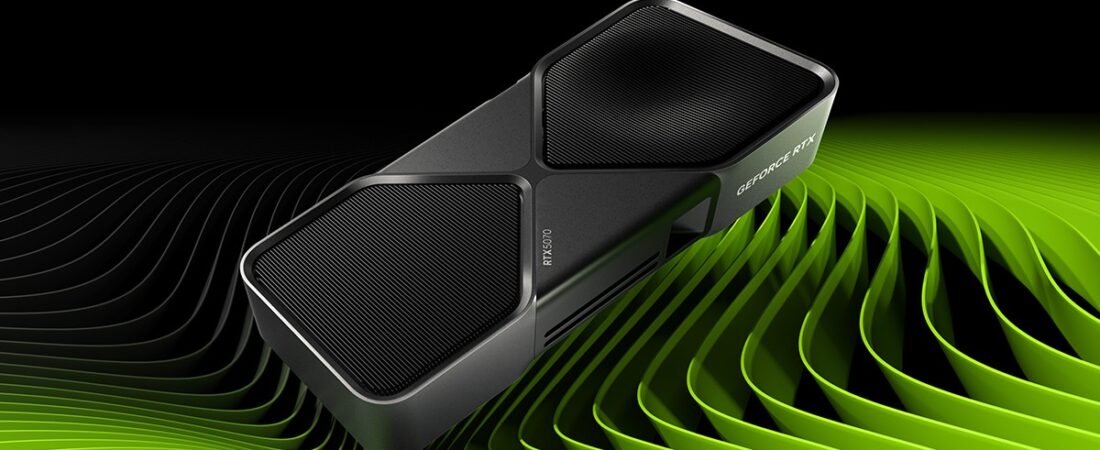
For smooth 1080p gaming in 2026 you no longer need to overspend. A budget of ₹26,000–₹40,000 gets a card that runs current titles at high or ultra settings with comfortable frame rates. This guide covers the cards worth buying in India right now, who each one suits, and what else your PC needs to make the most of it.
💡 Prices in India swing more than Western markets and change with import duty, stock and sales. The ranges below were compiled in September 2026 — always check the live price and read recent buyer reviews before ordering. As an Amazon Associate technew.cloud earns from qualifying purchases; we also earn on Flipkart via EarnKaro, at no extra cost to you. See our affiliate disclosure.
The shortlist
| Card | Memory | Typical India price | Best for |
|---|---|---|---|
| Intel Arc B580 | 12 GB | ₹26,000–₹38,000 | Value; future-proof VRAM |
| AMD Radeon RX 7600 | 8 GB | ₹22,000–₹28,000 | Lowest price for reliable 1080p |
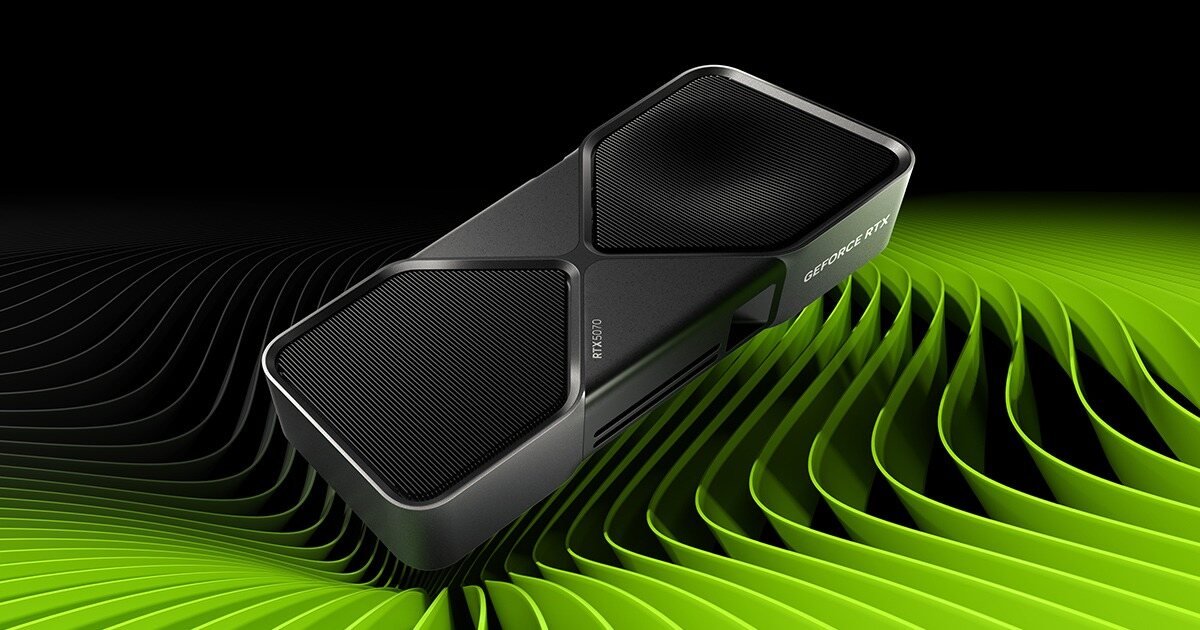
| NVIDIA RTX 5060 | 8 GB | ₹30,000–₹38,000 | Ray tracing, DLSS 4, streaming |
| AMD RX 9060 XT 16GB | 16 GB | ₹40,000–₹50,000 | Headroom for 1440p later |
| NVIDIA RTX 5060 Ti 16GB | 16 GB | ₹45,000–₹55,000 | NVIDIA features + more VRAM |
Which one is right for you
Intel Arc B580 — the value pick
The B580 pairs a 12GB memory buffer with a price that rivals sit at with only 8GB. That extra VRAM is what stops newer games stuttering at high textures, so the B580 should age better than its 8GB competitors. Intel’s drivers have matured a lot; check that the games you play most are on Intel’s well-supported list.
Good: 12GB VRAM, strong value, decent ray tracing and XeSS upscaling. Watch: a few older or niche titles still run better on NVIDIA/AMD; needs a fairly modern CPU to avoid a bottleneck.
Check Arc B580 prices on Flipkart ➔ Search on Amazon.in ➔AMD Radeon RX 7600 — the budget baseline
If you just want dependable 1080p gaming for the least money, the RX 7600 is it. It handles current titles at high settings and 60fps or more, is widely available from Indian retailers, and runs cool and quiet. Its 8GB of memory is the one limit — fine today, tighter in a couple of years at ultra textures.
Good: lowest price for solid 1080p, mature drivers, efficient. Watch: only 8GB VRAM; ray tracing is weak.
Check RX 7600 prices on Flipkart ➔ Search on Amazon.in ➔NVIDIA RTX 5060 — for ray tracing and streaming
Choose the RTX 5060 if you want the best ray-tracing performance in this budget, DLSS 4 upscaling and frame generation to boost frame rates, and NVIDIA’s NVENC encoder for clean game streaming and recording. Raw rasterisation is close to the AMD and Intel options; the value is in the features.
Good: best ray tracing here, DLSS 4, great for streamers and editors. Watch: 8GB VRAM at this price feels mean; the 16GB Ti model costs a fair bit more.
Check RTX 5060 prices on Flipkart ➔ Search on Amazon.in ➔Stepping up: RX 9060 XT 16GB / RTX 5060 Ti 16GB
If your budget stretches past ₹40,000, a 16GB card gives you 1080p ultra with room to spare and the option to move to a 1440p monitor later without replacing the GPU. The AMD RX 9060 XT gives more raw performance and VRAM per rupee; the RTX 5060 Ti adds DLSS 4 and stronger ray tracing. Both are overkill for 1080p alone — buy one only if 1440p is on your horizon.
NVIDIA vs AMD vs Intel — the short version
- NVIDIA (GeForce RTX) — best ray tracing, best upscaling (DLSS 4), best for streaming and video work. You usually pay a small premium and get less VRAM per rupee.
- AMD (Radeon RX) — more VRAM and raw performance for the money, mature drivers, good value. Ray tracing and upscaling trail NVIDIA but have closed the gap.
- Intel (Arc) — the value disruptor at the budget end, with generous VRAM. Drivers are much improved; check support for your specific games.
Don’t forget the rest of the PC
- Power supply: a good-quality 550W–650W unit from a known brand covers any card here. Don’t cheap out on the PSU.
- CPU balance: pair a mid-range GPU with at least a recent Ryzen 5 / Core i5. An old quad-core will hold these cards back, especially in competitive games.
- Case airflow and PCIe slot: confirm the card physically fits your case and that you have a spare PCIe power connector.
- Monitor: a 1080p 144Hz monitor is the natural partner — see our refresh rate guide.
FAQ
How much should I spend on a GPU for 1080p gaming in India?
₹26,000–₹40,000 covers a card that plays current games at 1080p high or ultra with 60fps or more. Below ₹22,000 you are into cards that need lowered settings for newer titles.
Is 8GB of VRAM still enough for 1080p?
For most games today, yes — but a few recent titles already exceed 8GB at maximum textures. If you keep GPUs for four or more years, a 12GB or 16GB card is the safer buy.
Should I buy a used older card instead?
A used previous-generation card from a trusted seller can be better value, but you lose the warranty and take on the risk of a card that was run hard for mining or gaming. Buy used only with a returns window and after checking it under load.
NVIDIA, AMD or Intel for a first gaming PC?
NVIDIA is the safe default for driver stability and features. AMD is the value choice if you want more VRAM for the money. Intel Arc can be excellent value at the budget end — just confirm your main games have good Arc support first.
Card recommendations and price ranges compiled September 2026; Indian GPU prices move quickly — confirm the live price before buying. More in Buying Guides and PC Components.

Prasanth Kumar is the founder and editor of technew.cloud. He is a technology professional with over 10 years of experience in DevOps, SRE, cloud computing, Kubernetes, Terraform, CI/CD and infrastructure. He writes about smartphones, laptops, graphics cards, gadgets, AI tools, and the technology and products he researches, uses and evaluates. Based in India.